サンデル教授からのメッセージ
マイケル・サンデル
2010.11.26
–一連の哲学的思想を通して、どうやったら、若い学生達が独自の哲学を探究することができるのか、お考えをお聞かせ下さい。特に経済不況で、一般の人々が原理に基づく難解な哲学を歓迎していないときに、学生達はどうすべきでしょうか。
若い人々は、自分自身のために考える習慣を身につけることができるし、そうすべきだと思います。
政治に関することや世界の理想的なあり方、個々人の人生において何が倫理的な生き方と思えるか、そうしたことについて、先生の質問にもとづいて、お互いに意見を戦わせたり議論したりすることができます。
道徳的な選択や道徳的信念について、自分たちの人生や、政治に対する考え方や政治的な問題と関係しているのかどうか、こうしたテーマについて、学生達はたとえ哲学者でなくても、互いに敬意を払いながら、けれど真剣に考え、論理的に考えることがとても重要だと思います。
そうしていけば、やがて、哲学的な問題や想定について深く考え始めることになるでしょうし、始めるのが早ければ、自分たちが考え論理的に推論することができると感じるようになり、成長するに従って自分の意見が変わることもあるでしょう。
しかし、先生と一緒に丁寧にそして哲学的理解を深めていけるようにして、論理的に推論することの力や習慣を伸ばしていけば、最終的には、有能な市民になることができます。
なぜなら、市民になることとは、日常的な世界が想定していることについて批判的に考えることであり、それはまさに哲学者がしていることだからです。

どうもありがとうございました。
–I have been seeing your many kinds of devoted and sincere activities at
Harvard. I was very moved by feeling your high interest to the public people
including students, faculty, journalists from England and Japan, and even
people on the street.
On the other hand, in the BBC film showed in your lecture, I was also moved by
the very extreme and principle based utterance by Peter Singer. I think the
both type of activities, like you and Singer, are very important as one of
philosophers social roles, because people on the street can be aware of the
true principal based idea hidden in the real history and current politics
where they are indirectly committed.
Could you share with us your idea on how young students can inquire their
original philosophy through a range of philosophical thought, especially they
are in the economic depression and public people are not so welcome for the
principal based type of philosophy?
I think that young people can and should develop the habit of thinking for
themselves, of discussing and debating with one another and with their
teachers questions that they care about, especially questions having to do
with politics or the way the world should be or what they consider to be the
ethical way of living in their personal lives.
So I think it’s a very good thing that students, even if they are not
philosophers, begin to think and reason together and argue with one another,
to argue respectfully but to argue seriously about their moral opinions, their
moral convictions, whether to do with their own personal lives or whether to
do with their opinions about policies, political issues.
Because gradually, if they do that, they will begin to reflect on larger
philosophical questions and assumptions and so to begin early, to feel that
they can think and reason for themselves, they may change their opinions as
they grow but at least they will develop the habit and the ability to think
and to reason and to argue with one another, with their teachers in a
respectful way but in a way that will enable them to grow in philosophical
understanding and ultimately that will make them effective citizens because to
be a citizen is to think critically about the assumptions of the everyday
world.
That’s really what philosophy is about.

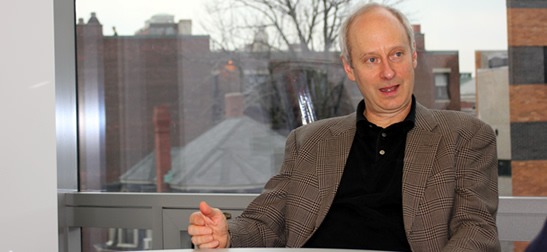
1953年アメリカ合衆国ミシシッピ州生まれ。共同体主義者の代表的政治哲学者。ハーバード大学教授。日本のNHK『ハーバード白熱教室』という番組でその授業が放送されると人気を博し、その著書『これからの「正義」の話をしよう』(早川書房)はベストセラーに。